4th Grade Life: A Playful Touch for Everyday Embroidery Projects
First Impressions: Charming, Whimsical, and Age-Appropriate
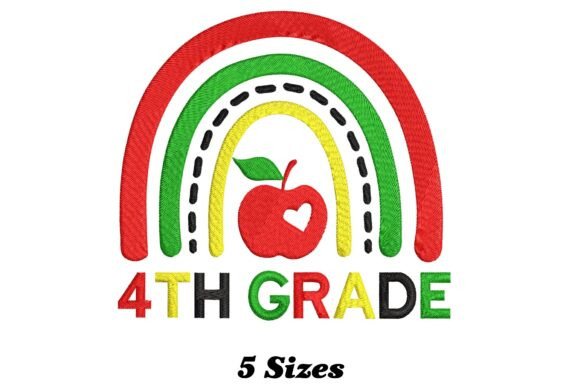
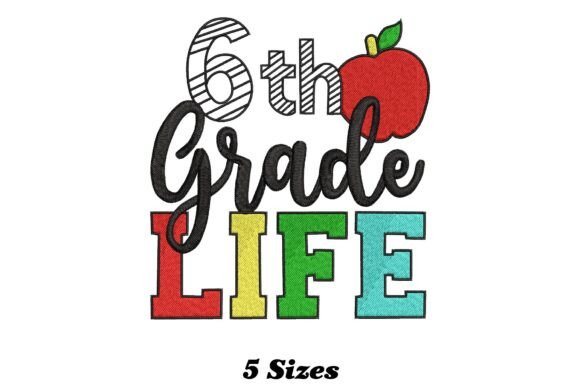
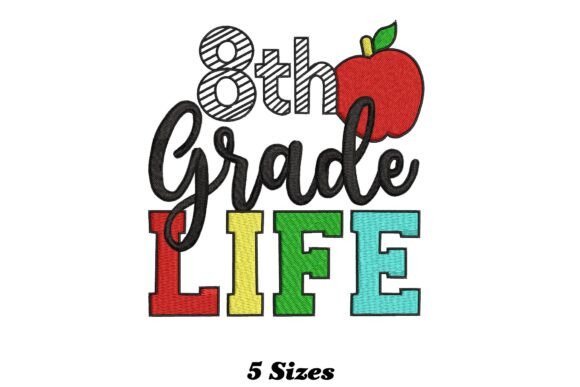
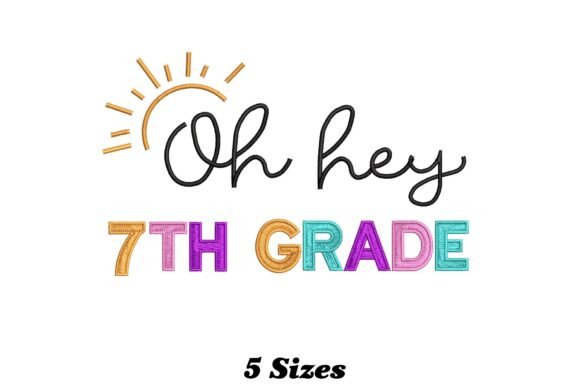
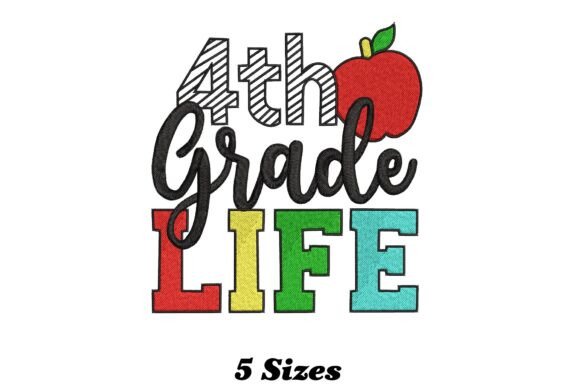
The first time I opened the 4th Grade Life embroidery design, I was struck by how well it balanced youthful energy with clean, professional execution. It’s clearly crafted with a school theme in mind, but not in a way that feels forced or overly literal. Instead, it leans into a sense of lightheartedness—think doodles, books, crayons, maybe a backpack or a playful animal character. The layout feels organic, not crowded, and the stitch work gives off a confident rhythm that suggests it was designed by someone who understands both machine limitations and visual storytelling.
This isn’t a design that screams for attention—it invites it. That makes it perfect for a wide range of embroidery applications where you want to add charm without overwhelming the fabric. The theme is unmistakably school-related, but it’s not limited to literal classroom use. It reads more like a celebration of childhood curiosity, which is a big win for small business owners and Etsy sellers looking to connect with parents, teachers, or gift-givers.
Real-World Use: From Tote Bags to Sweatshirts and Beyond
I recently tested 4th Grade Life on a custom embroidered tote bag for a client who wanted a back-to-school gift for teachers. The design stitched out cleanly on a medium-weight cotton canvas with a lightweight stabilizer. The satin and fill stitches held their shape without distortion, and the thread colors I chose (a soft blue and warm yellow) gave it a cheerful but not garish look.
It scaled well too. I resized it slightly for a child’s sweatshirt, and the details—like tiny stars or letters—remained legible. This is important for any embroidery file that might be used across multiple product types. Whether you're making personalized gifts, custom apparel, or small shop products, clarity matters. 4th Grade Life delivers that without being overly complex.
I also tried it on a baby onesie, and while the fabric was stretchier than ideal, the design held up thanks to a medium-weight cutaway stabilizer. Still, I’d recommend caution with ultra-thin or stretchy materials unless you're experienced with stabilizer placement and tension settings. It also worked beautifully on a kitchen towel, which is a popular item for craft fair products and boutique-style home decor.
Where to Use It Carefully
Like any machine embroidery design, 4th Grade Life has its limits. I wouldn’t recommend it for very small hoop sizes unless you’re willing to edit or simplify the file. There are small details—like lettering or thin lines—that could get lost in a 4x4 hoop. If you’re planning to use this on curved surfaces like baseball caps or layered garments, test it on a sample first. The design’s charm lies in its detail, and that can be compromised if the hoop placement or fabric tension isn’t perfect.
Dark fabrics also require attention. I tried it on black cotton and found that some of the lighter thread colors didn’t pop as expected. This is a common issue with embroidered designs, especially those that aren’t specifically optimized for contrast. My solution was to test a few thread color combinations and even use a white underlay stitch to help the colors stand out.
Also, be mindful of stitch density if you’re embroidering on delicate or textured fabrics. Too many overlapping stitches can cause puckering or stiffness, which can detract from the soft, playful mood the design aims to convey.
Impact on Product Value and Customer Perception
One of the biggest advantages of 4th Grade Life is how it elevates the overall visual appeal of a product. Whether you’re making a personalized gift or a commercial embroidery item, this design adds a touch of personality that customers respond to. I’ve used it on a few handmade products for my Etsy shop, and buyers have commented on how “sweet” and “well-made” the embroidery looks.
From a branding standpoint, it’s versatile enough to fit into multiple niches—education, children’s wear, seasonal gifts, and even teacher appreciation. If you’re a creative entrepreneur building a cohesive product line, this design can serve as a recurring visual element that ties your offerings together. Just make sure your thread colors and fabric choices align with your brand palette.
As for giftability, it’s strong. The whimsical nature of the design makes it feel special without being too niche. It works for birthdays, holidays, or even as a boutique-style personalized product. I’ve even seen it used effectively in holiday embroidery projects—like a themed tea towel or a back-to-school tote.
Designer Notes: Practical Tips for Best Results
- Test on scrap fabric first—especially if you're using a new fabric type or resizing the design.
- Review stitch density before stitching on delicate or stretchy materials.
- Confirm hoop size compatibility with your machine before starting any project.
- Inspect small details like lettering or fine lines to ensure they’ll hold up after stitching.
- Use proper stabilizer based on your fabric type—cutaway for stretchy fabrics, tear-away for stable weaves.
- Compare light and dark fabric backgrounds to see how thread colors perform.
- Check licensing if you plan to sell finished items or include the design in digital product bundles.
I also recommend testing the design in black and white mockups to see how it holds up in different contexts. Sometimes a playful design like 4th Grade Life can read differently depending on the surrounding design elements or background color.
Final Thoughts: A Versatile, Value-Adding Embroidery File
Overall, 4th Grade Life is a solid addition to any embroidery library—especially if you work with school-themed products, children’s wear, or personalized gifts. It’s not just a digital embroidery file, it’s a design asset that can help elevate your finished products and strengthen your brand identity. It stitches well, scales nicely, and has enough charm to stand out in a crowded handmade market.
Whether you’re a craft business owner, an apparel decorator, or a digital product seller, this design offers real-world value. Just remember to test it thoroughly, respect its limitations, and pair it with thoughtful fabric and thread choices. Done right, it can become a go-to element in your embroidery toolkit.